









Key takeaways
- Weak enamel can often be rebuilt in its early stages through fluoride and good daily habits.
- Sensitivity, rough edges, discolouration, and frequent cavities are common signs of weakening teeth.
- Acidic foods, dry mouth, grinding, and inconsistent hygiene are leading causes of weak teeth.
- In-office fluoride and silver diamine fluoride can support teeth showing early signs of decay.
- Straighter teeth from clear aligners can be easier to keep clean, which supports enamel health.
Weak Teeth Explained: What It Really Means
Weak teeth are teeth whose protective outer layer, called enamel, has worn thin or become damaged, leaving them more prone to sensitivity, chipping, and decay. The good news is that in many early cases, you can help your teeth become stronger again with the right daily care and support from your dental team.
How enamel protects your teeth
Enamel is the hard, glossy shield that covers the crown of each tooth. It guards the softer layers underneath from temperature changes, acids, and daily chewing forces. When enamel stays healthy, your teeth feel comfortable and resist damage. When it thins, the sensitive layers beneath become exposed, and that is when problems begin.
At Lawen Dentistry in Halifax, Dr. Danny Lawen, D.D.S., is a Blue Diamond Invisalign Provider (‘Blue Diamond’ Invisalign provider is a status awarded by Align Technology to dental practices that treat a high volume of patients, typically over 300 patients a year).
The difference between weak enamel and tooth decay
Weak enamel means the surface has softened or worn down, but the tooth structure is still largely intact. Tooth decay is more advanced, where acids have broken through and created a cavity that will not heal on its own. Weak enamel can often be strengthened, while decay usually needs a filling or another repair.
Common Signs Your Teeth May Be Weakening
The clearest signs of weak teeth are new sensitivity, changes in how your teeth look, and a rising number of cavities or repairs. Recognizing these signals early gives you the chance to act before damage becomes permanent.
Sensitivity to hot, cold, or sweet foods
A sharp twinge when you sip something cold or bite into something sweet often means the enamel has thinned and the sensitive layer beneath is exposed. Occasional sensitivity is common, but if it becomes frequent or lingers, it is worth mentioning to your dentist.
Rough edges, chips, or discolouration
Run your tongue along your teeth. If you feel rough spots, small chips, or notice yellowing or white chalky patches, these can point to enamel wear. Discolouration happens because the layer under thinning enamel is naturally darker and starts to show through.
Frequent cavities or dental repairs
If you find yourself needing fillings more often than you used to, weakened enamel may be part of the reason. Teeth with thin enamel are simply less able to resist the acids that cause decay, so cavities can form more easily.
What Causes Teeth to Become Weak
Teeth become weak from a mix of diet, hygiene habits, saliva levels, physical wear, and genetics. Understanding your personal causes is the first step toward reversing the problem.
Acidic and sugary foods and drinks
Frequent contact with acids and sugar is one of the leading causes of enamel loss. Sodas, citrus drinks, sports drinks, and sticky sweets all soften enamel over time. It is not only how much you consume, but how often, since constant sipping and snacking keeps acid levels high.
Inconsistent oral hygiene habits
Skipping brushing or cleaning between teeth allows plaque to build up and produce acids that erode enamel. A steady routine matters more than an occasional deep clean, as highlighted in this consensus on tooth brushing recommendations.
Dry mouth and reduced saliva
Saliva naturally rinses away acids and carries minerals that repair enamel. When your mouth is dry, whether from medications, dehydration, or certain conditions, that protection drops and teeth weaken faster.
Grinding, clenching, and physical wear
Grinding and clenching, often during sleep, place heavy stress on enamel and can cause it to crack or wear flat. Many people do not realize they grind until a dentist points out the wear patterns.
Genetics and certain health conditions
Some people are simply born with thinner enamel, and certain health conditions or reflux can also weaken teeth. While you cannot change your genes, you can adjust your daily care to give naturally weaker teeth extra support.
How to Strengthen Weak Teeth at Home
You can strengthen weak teeth at home by brushing gently with fluoride, cleaning between your teeth daily, choosing tooth-friendly foods, staying hydrated, and cutting back on acidic snacking. These habits work together to support enamel repair.
Brush twice a day gently with fluoride toothpaste
Use a soft-bristled brush and a fluoride toothpaste morning and night. Brush gently in small circles rather than scrubbing hard, since aggressive brushing can wear enamel further.
Clean between your teeth daily
Floss or use interdental brushes once a day to remove plaque where a toothbrush cannot reach. This protects the surfaces between teeth that are prone to hidden decay.
Choose tooth-friendly foods and drinks
Favour water, dairy, leafy greens, and crunchy vegetables that support saliva and supply minerals. These choices help create an environment where enamel can rebuild.
Stay hydrated to support saliva flow
Drink water throughout the day to keep your mouth moist and rinse away acids. If your area has fluoridated tap water, that offers an added layer of protection.
Limit acidic and sugary snacking
Try to enjoy sweets and acidic drinks as part of a meal rather than grazing all day. Waiting a while before brushing after acidic foods gives softened enamel time to firm up.
Use these
- Soft-bristled toothbrush
- Fluoride toothpaste
- Water and dairy products
- Daily floss or interdental brushes
- Crunchy vegetables and leafy greens
Avoid these
- Constant sipping of soda or juice
- Sticky, sugary snacks between meals
- Hard scrubbing while brushing
- Frequent acidic sports drinks
- Ignoring ongoing sensitivity
Professional Treatments That Support Stronger Teeth
When home care is not enough, dental treatments such as in-office fluoride, silver diamine fluoride, and restorations can help protect and repair weakening teeth. Your dentist chooses the option that matches the stage of your teeth.
Fluoride applications in the dental office
In-office fluoride treatments deliver a stronger concentration than toothpaste and are painted onto the teeth in minutes. They help reinforce enamel and are especially useful for people with sensitivity or a history of cavities.
Silver diamine fluoride for early decay
Silver diamine fluoride is a liquid that can slow or stop early decay without drilling. It is a gentle option often used for children, anxious patients, or hard-to-reach spots. Research supports its role in managing early cavities, as described in this evidence-based update on silver diamine fluoride. One thing to know is that it can darken the treated area, so your dentist will discuss whether it suits a visible tooth.
Restorative options for damaged teeth
When enamel has already broken or a cavity has formed, restorations like fillings, bonding, or crowns rebuild the tooth and restore its strength. These do not reverse enamel loss, but they protect what remains and keep the tooth functional.
Everyday Habits That Protect Enamel Long Term
Long lasting enamel protection comes from a consistent brushing routine, regular checkups, and managing habits like grinding. Small daily choices add up to years of healthier teeth.
Building a consistent brushing routine
Consistency beats intensity. Brushing twice every day at the same times helps you never miss a session and keeps plaque under control. Pair it with daily cleaning between teeth for full coverage.
Regular dental checkups and cleanings
Routine visits let your dentist spot weakening enamel early and remove hardened plaque that brushing cannot. These appointments are one of the simplest ways to keep small issues from becoming large ones.
Managing grinding and clenching
If you grind or clench, a custom night guard can shield your enamel from the pressure. Reducing stress and being mindful of daytime clenching also help protect your teeth.
How Clear Aligners Fit Into Healthier Teeth
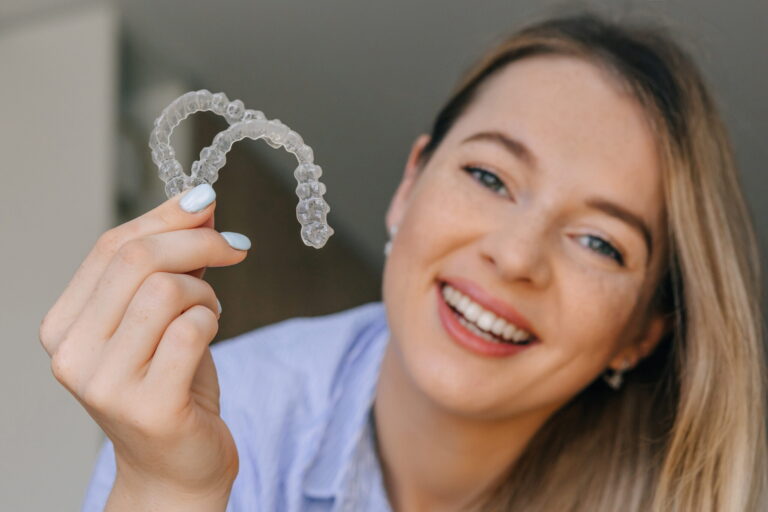
Clear aligners support healthier teeth because straighter teeth are easier to clean, which helps protect enamel over time. They are a comfortable way to align your smile while making daily hygiene simpler.
Wearing aligners 24 hours a day, removing only for oral hygiene
For clear aligners to work well, they should be worn all the time, 24 hours a day, and taken out only when you brush and clean between your teeth. Keeping them in as directed keeps your treatment on track and predictable.
A typical treatment window of 6 to 12 months
Most clear aligner treatments take between 6 and 12 months, depending on how much movement your teeth need. Your dentist will map out a timeline and check your progress along the way.
Why straighter teeth can be easier to keep clean
When teeth are crowded or overlapping, plaque hides in tight gaps that are hard to reach. Straightening them creates smoother surfaces and fewer trapped spots, so brushing and cleaning between teeth become more effective. That cleaner environment is one more way to help enamel stay strong.
Ready to take the next step?
Schedule a consultation with Lawen Dentistry – Mumford Road Clinic in Halifax.
Call +1 902-406-1888
Meet Dr. Danny Lawen, D.D.S
A Halifax native, Dr. Danny Lawen, D.D.S., has built his career around a lifelong passion for dentistry. He studied Chemistry at Dalhousie University for his undergraduate degree, graduating with distinction, then continued at Dalhousie’s dental school, earning his Doctor of Dental Surgery in 2003 and finishing fourth in his class. During his training, he took part in a dental implant elective and was honored with awards in periodontology and dental biomaterials.
After dental school, Dr. Lawen completed a general practice residency in London, Ontario, where he honed his skills in oral surgery, including wisdom tooth extractions. He then worked as an associate dentist at Cosmo Dental Centre in London before returning home to Halifax.
Dr. Lawen’s practice today centers on cosmetic dentistry, dental implants, and Invisalign, and he’s continued building his expertise through advanced training at institutions such as the Kois Center, the Dawson Academy, and the Misch International Implant Institute, among others. He’s also pursued specialized instruction in oral plastic surgery and gum grafting, cosmetic restorative techniques, and Botox training.
He holds memberships in several professional organizations, including the Canadian Dental Association, the Nova Scotia Dental Association, and the International Congress of Oral Implantologists. An Invisalign provider since 2006, at Lawen Dentistry in Halifax, Dr. Danny Lawen, D.D.S., is a Blue Diamond Invisalign Provider (a status awarded by Align Technology to dental practices that treat a high volume of patients, typically over 300 patients a year, reflecting the depth of experience he brings to every case).
Outside the office, Dr. Lawen is a family man and an active one – he enjoys travel, cycling, and basketball, and shares his life with his wife, Olivia, and their five children.
Frequently asked questions
Q: Can weak teeth become strong again?
Yes, weak teeth can often become stronger when the enamel is only in the early stages of softening. Through remineralization, minerals like fluoride and calcium are redeposited into the surface, making it firmer. However, once a tooth has an actual cavity or has broken, it cannot heal on its own and needs professional treatment.
Q: What foods help strengthen tooth enamel?
Foods that support enamel include dairy products like milk, cheese, and yogurt, leafy greens, and crunchy vegetables. These provide minerals and encourage saliva flow, which naturally helps repair enamel. Drinking water throughout the day also rinses away acids and keeps your mouth healthy.
Q: How long does it take to remineralize teeth?
There is no fixed timeline, since it depends on how much enamel has softened and how consistent your care is. With daily fluoride use, good hygiene, and reduced acidic snacking, many people notice improvements in sensitivity over several weeks to a few months. Your dentist can track progress at checkups.
Q: Does fluoride really strengthen weak teeth?
Yes, fluoride is one of the most consistently recommended ways to protect and strengthen enamel. It helps rebuild softened surfaces and makes teeth more resistant to acids. You can get fluoride from toothpaste, fluoridated water, and stronger in-office applications provided by your dental team.
Q: How do I know if my teeth are weak or just sensitive?
Occasional sensitivity is common and does not always mean weak teeth. Signs of genuinely weakening teeth include ongoing sensitivity, rough or chipped edges, white chalky or yellowing patches, and needing frequent repairs. If these signs appear together, book a visit so your dentist can check your enamel.
For directions, use this helpful Google Maps link or get step-by-step navigation via Get Directions.
At Lawen Dentistry in Halifax, Dr. Danny Lawen, D.D.S., is a Blue Diamond Invisalign Provider (‘Blue Diamond’ Invisalign provider is a status awarded by Align Technology to dental practices that treat a high volume of patients, typically over 300 patients a year).
Remember: Weak enamel can often be strengthened early with fluoride, gentle brushing, and steady daily care, so act at the first signs rather than waiting.
Disclaimer: This article is for general information only and is not a substitute for personalized advice from your dentist in Halifax.