Diamond Plus Invisalign Provider

Can One Implant Replace More Than One Tooth?
A missing tooth changes more than your smile. It changes how you chew, how you speak, and even how your jaw feels at the end of the day. Now imagine missing two or three teeth in a row. The question many people ask at this point is simple: Do you need one implant for every missing tooth, or is there a smarter way to restore your smile?
At Lawen Dentistry in Halifax, Dr. Danny Lawen, D.D.S., is a Diamond Invisalign Provider (Diamond status is based on the number of Invisalign services provided every 6 months). He is committed to providing personalized dental care that helps patients achieve beautiful, healthy smiles.
At Lawen Dentistry, the focus is always on practical solutions that fit real lives. The idea of placing multiple implants can feel overwhelming, but the reality is often more efficient than expected. In many cases, a single implant can support more than one tooth, depending on your situation.
Let’s walk through this in a way that actually makes sense, without overcomplicating things.
When One Implant Can Do More
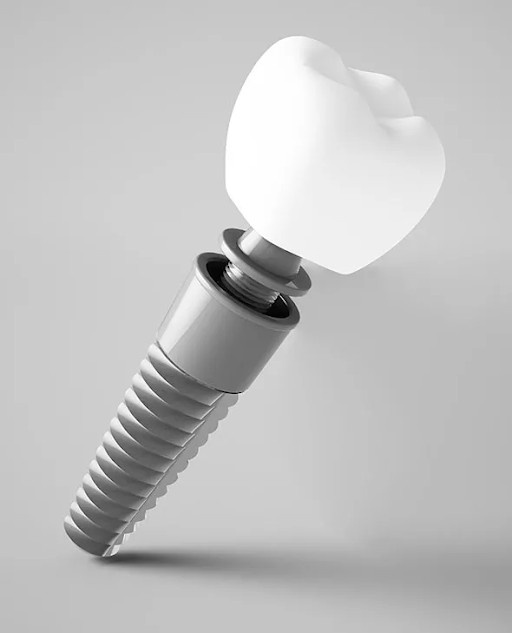
Think of an implant as a strong anchor placed into your jaw. It acts like the root of a tooth. Now, instead of attaching just one crown to it, dentists can sometimes connect multiple replacement teeth using that same anchor.
This is commonly done using a bridge. Instead of placing three implants for three missing teeth, two implants can support a bridge of three teeth. In some cases, even one implant can support two connected teeth if the spacing and bite allow it.
This approach works well when:
- The missing teeth are next to each other
- The surrounding bone is strong and healthy
- The bite pressure can be evenly distributed
It is not just about replacing teeth. It is about restoring balance.
Understanding Dental Implants for Missing Teeth
When people hear about dental implants for missing teeth, they often assume each gap needs its own implant. That is not always true.
A dental implant is designed to integrate with your jawbone and provide a stable base. Once placed, it can support:
- A single crown
- A bridge (multiple teeth connected)
- Even a full arch in certain cases
At Lawen Dentistry, treatment is planned carefully so that every implant placed serves a purpose without unnecessary steps.
The Strategy Behind Implant-Supported Replacement Teeth
The concept of implant-supported replacement teeth is where things get interesting.
Instead of thinking “one implant equals one tooth,” think of implants as support points. Just like pillars holding up a bridge, implants can carry multiple teeth when placed in the right positions.
For example:
- Two implants can support three or four teeth
- Four implants can support a full upper or lower set
This reduces the number of implants needed while still restoring full function.
It also helps maintain jaw strength because implants stimulate bone growth, preventing the shrinkage that often occurs after tooth loss.
Implant-supported replacement teeth
How Planning Makes the Difference
No two smiles are the same, and that is exactly why planning plays such a critical role in implant treatment. It is not just about placing an implant, but about understanding how every part of your mouth works together. A well-planned approach ensures that the final result looks natural, feels comfortable, and functions smoothly over time.
At Lawen Dentistry, the process begins with a detailed evaluation of your overall oral structure. This includes:
- Bone density: to ensure there is enough support for the implant to stay strong and stable
- Spacing between teeth: to determine how replacement teeth will fit without crowding or gaps
- Bite alignment: to make sure pressure is distributed evenly when you chew or speak
- Long-term durability: to plan a solution that lasts and adapts well over time
Each of these factors helps guide the decision on whether one implant or multiple implants will be the right choice. Instead of a one-size-fits-all approach, the focus is on creating a solution tailored to your specific needs.
With careful planning, the outcome does not just restore missing teeth. It restores balance, stability, and confidence, making your smile feel completely natural again.
Dental Implant Procedure Steps Made Simple
The phrase dental implant procedure steps might sound complicated, but it is actually a well-organized process.
Here is how it typically works:
Step One: Planning and Imaging
Digital scans are taken to map your jaw and identify the exact placement.
Step Two: Implant Placement
The implant is gently placed into the jawbone. This acts as the foundation.
Step Three: Healing Phase
The implant bonds with the bone over time.
Step Four: Final Restoration
A crown or bridge is attached, completing the process.
Each step is designed to move forward smoothly without unnecessary delays.
The Dental Implant Healing Process
The dental implant healing process is where your body does most of the work.
After placement, the implant gradually fuses with the jawbone. This process is called osseointegration. It creates a strong connection that allows the implant to function like a natural root.
During this time:
- Mild discomfort may occur initially
- The area gradually stabilizes
- The implant becomes secure enough to support teeth
Healing time varies, but the goal is always long-term stability.
Permanent Tooth Replacement Implants: What Makes Them Different
When people talk about permanent tooth replacement implants, they are referring to a solution that is designed to stay in place and function like natural teeth.
Unlike removable options, implants:
- Stay fixed in the mouth
- Allow normal chewing
- Help maintain facial structure
- Support long-term oral health
They are not just about appearance. They are about restoring everyday comfort.
Can One Implant Handle the Pressure?
This is one of the most common concerns.
The answer depends on how the pressure is distributed. When multiple teeth are connected as a bridge, the chewing force is shared across the structure. This reduces stress on a single implant.
However, not every case is suitable for a single implant supporting multiple teeth. That is why evaluation is essential.
Real-Life Scenarios
Let’s make this practical.
Scenario One: Two Missing Teeth Side by Side
Instead of placing two implants, one implant may support a two-tooth bridge.
Scenario Two: Three Missing Teeth
Two implants can support a three-tooth bridge, reducing the number of implants needed.
Scenario Three: Full Arch Replacement
A small number of implants can support a full set of teeth.
Each scenario depends on structure, spacing, and long-term goals.
Why Fewer Implants Can Be a Smart Choice
Using fewer implants when possible can:
- Reduce surgical steps
- Shorten treatment time
- Simplify maintenance
- Maintain strong function
It is not about doing less. It is about doing what makes sense.
What You Should Know Before Deciding
Before choosing your treatment, consider:
- Your bone health
- The number of missing teeth
- Your daily habits
- Long-term comfort
Every decision should be based on what works for your lifestyle.
A Thought to Leave You With
Replacing missing teeth is not just about filling spaces. It is about restoring balance to your bite, comfort to your daily routine, and confidence in how you speak, eat, and smile. Even a small gap can affect how everything works together, which is why the right solution matters.
The idea that one implant can replace more than one tooth is not only possible, but often a smart and efficient approach. When planned carefully, it reduces unnecessary procedures while still delivering strength, stability, and a natural feel. It is about working smarter with the structure you already have, rather than simply adding more.
At Lawen Dentistry, every treatment is designed with intention. Each step is guided by a clear plan, focused on long-term function and comfort. The goal is not just to replace teeth, but to create a result that feels natural, lasts longer, and fits seamlessly into your everyday life.
Conclusion
Yes, one implant can replace more than one tooth when planned correctly. It is not always about placing an implant for every missing tooth, but about creating the right support system for long-term stability. In many cases, a single implant can support multiple replacement teeth, serving as a strong anchor, especially when combined with well-designed restorations.
What truly matters is the condition of your jawbone, the position of the missing teeth, and how the bite forces will be distributed. With proper planning, fewer implants can still deliver excellent strength, function, and a natural-looking result. This approach can also make the treatment more efficient while maintaining long-term success.
If you are exploring options for missing teeth, learning how implants can work together gives you a clearer picture of what is possible. A personalized consultation can help determine the most suitable solution based on your needs, ensuring you move forward with confidence and clarity.
———————————————————————————————————————————————————————————————————————————————–
Remember: Consistent care and daily habits play a big role in how your smile feels over time. Small steps taken every day can support long-term comfort and stability.
Disclaimer: This content is for informational purposes only and does not replace professional dental advice. Please consult a qualified dental professional for personalized recommendations.
For directions, use this helpful Google Map.
At Lawen Dentistry in Halifax, Dr. Danny Lawen, D.D.S., is a Diamond Invisalign Provider (Diamond status is based on the number of Invisalign services provided every 6 months). He is committed to providing personalized dental care that helps patients achieve beautiful, healthy smiles.
Connect With Us
Spring Garden
902-424-1888
Mumford Road
902-406-1888

Dental websites and patient education videos by Optio Publishing
Photographs are being used for illustrative purposes only and any person depicted in the content is a model.
Working Hours
Copyright © 2026 by DPM