







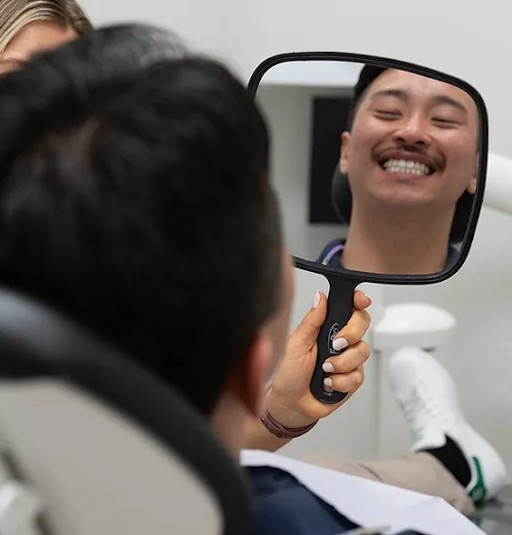
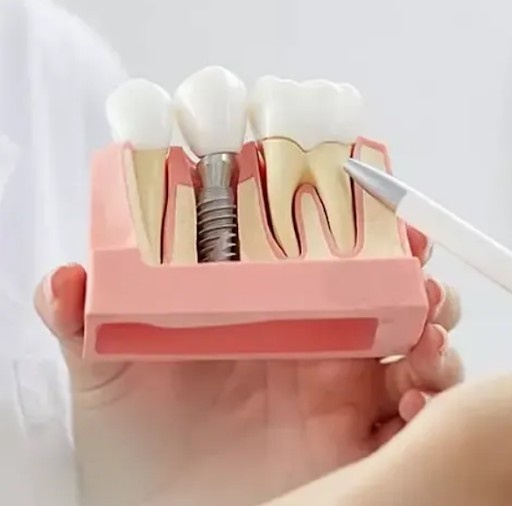

Losing a tooth changes more than just a smile. It can quietly affect the way you chew, speak, laugh, and even how comfortable you feel during everyday conversations. Some people adapt quickly, while others notice the impact almost immediately. A missing tooth can make meals less enjoyable, place strain on nearby teeth, and gradually affect facial balance over time.
At Lawen Dentistry in Halifax, Dr. Danny Lawen, D.D.S., is a Diamond Invisalign Provider (Diamond status is based on the number of Invisalign services provided over 6 months). He is committed to providing personalized dental care that helps patients achieve beautiful, healthy smiles.
That is why many people begin searching for a long-term solution that feels stable, comfortable, and natural. Dental implants have become one of the most trusted options for restoring missing teeth because they function much like natural tooth roots. But one question continues to come up during consultations at Lawen Dentistry:
Can anyone get dental implants?
The short answer is that many people qualify for treatment, but eligibility depends on several important factors. Age alone does not decide whether someone is suitable for implants. Instead, your oral health, bone support, lifestyle habits, and overall wellness all play a role in determining whether implants are the right choice for your smile.
At Lawen Dentistry, Dr. Danny Lawen, D.D.S., works closely with patients to evaluate their oral health needs and create personalized solutions for long-term smile restoration. Whether you are missing one tooth or several, understanding implant eligibility can help you make informed decisions about your care.
Why Dental Implants Continue to Gain Attention
Traditional tooth replacement options have existed for years, but implants have changed the way many people approach smile restoration. Unlike removable options, implants are anchored into the jawbone, providing stability that closely resembles that of natural teeth.
For many individuals, this means:
- Improved chewing comfort
- Greater confidence while speaking
- Reduced shifting of nearby teeth
- Long-term support for jawbone health
- A more natural appearance
Many patients seeking a permanent tooth replacement solution are drawn to implants because they are designed to stay securely in place during everyday activities.
Dental implants are often used for:
- Single missing teeth
- Multiple missing teeth
- Full arch restoration
- Implant-supported dentures
The goal is not simply to replace a tooth. It is restoring function, comfort, and confidence in a way that blends naturally with the rest of the smile.
The First Thing Dentists Look At: Oral Health
One of the biggest factors in implant eligibility is the condition of your oral health. Healthy gums are extremely important before implant treatment begins. Gum tissue helps support the implant structure and protects the surrounding bone. If active gum disease is present, it may need to be treated first before implants can be considered.
At Lawen Dentistry, the evaluation process often includes:
- Examination of gums
- Assessment of existing teeth
- Digital imaging
- Bite analysis
- Review of oral hygiene habits
This careful approach helps determine whether the mouth is prepared for implant placement or whether additional treatment may be beneficial beforehand. Patients sometimes assume that missing teeth automatically disqualify them from implants. In reality, many people with previous dental issues can still qualify after proper preparation and treatment planning.
Bone Density Matters More Than Many People Realize
Dental implants rely on jawbone support. When a tooth has been missing for a long time, the surrounding bone may begin to shrink due to a lack of stimulation. This does not automatically mean implants are impossible. Modern dentistry offers several approaches that may help improve implant candidacy, including bone grafting procedures designed to strengthen the area before implant placement. Some people are surprised to learn they still qualify for treatment even after years of tooth loss.
The amount of available bone helps determine:
- Implant placement options
- Healing expectations
- Treatment timeline
- Long-term stability
Patients exploring missing-tooth restorations often benefit from early evaluation because bone loss can progress gradually over time.
Age Is Usually Not the Main Concern
Many people wonder if they are “too old” for dental implants. In most situations, age itself is not the deciding factor.
Adults of various age groups may qualify for implants if they have:
- Healthy gums
- Adequate bone support
- Stable oral health
- Good healing ability
What matters more is the overall oral condition and health history. On the other hand, younger patients whose jaw development is still incomplete may need to wait until growth is fully finished before implant placement is considered. At Lawen Dentistry, treatment planning focuses on the individual rather than a specific age range.
Lifestyle Habits Can Affect Eligibility
Certain daily habits may influence implant success and healing. Smoking, for example, can interfere with blood flow and healing processes within the gums and bone. This may increase the risk of complications after implant placement.
Other lifestyle factors that may affect candidacy include:
- Oral hygiene consistency
- Teeth grinding habits
- Diet choices
- Alcohol consumption
- Commitment to follow-up care
None of these factors automatically eliminates eligibility, but they may influence treatment recommendations and healing expectations. Patients considering implant-supported teeth are often encouraged to maintain strong oral hygiene habits before and after treatment to support long-term results.
What Happens During an Implant Consultation?
Many patients feel nervous before their first implant consultation because they expect an overwhelming or complicated process. In reality, the appointment is designed to gather information and answer questions.
A consultation at Lawen Dentistry may include:
- Discussion About Your Dental History
Your dentist will review previous treatments, tooth loss history, and any concerns affecting your oral health.
- Digital Imaging
Modern imaging helps evaluate bone structure, tooth positioning, and implant placement possibilities.
- Oral Examination
The condition of your gums, remaining teeth, and bite alignment will be carefully assessed.
- Treatment Planning
If implants are suitable, a customized treatment plan is created to match your goals and oral health needs.
Patients searching for dental implants on Mumford Road often appreciate learning that treatment planning is highly personalized rather than one-size-fits-all.
Can Medical Conditions Affect Implant Eligibility?
Certain health conditions may influence healing and treatment planning, but they do not always prevent implant treatment.
Conditions that may require additional evaluation include:
- Diabetes
- Autoimmune conditions
- Bone disorders
- Heart conditions
- Certain medications affect bone healing
The key is communication. Sharing your medical history allows your dental team to plan treatment carefully and safely. Many patients with managed health conditions successfully receive implants every year.
What If You Have Been Missing Teeth for Years?
Some individuals avoid treatment for years because they assume it is “too late” to restore their smile. Fortunately, that is often not the case.
Even long-term tooth loss may still be treatable depending on:
- Bone condition
- Gum health
- Overall oral structure
In some situations, additional preparatory procedures may help create a more stable foundation for implants. The important thing is to schedule an evaluation rather than assume treatment is impossible.
The Emotional Side of Missing Teeth
Tooth loss affects people differently. Some become self-conscious during conversations. Others begin avoiding photographs or social gatherings. Even simple activities like dining out may feel uncomfortable. A strong smile often plays a bigger role in confidence than many people realize. That is one reason many individuals pursue a natural-looking tooth replacement option that blends comfortably with their existing smile. Dental implants are designed to support both appearance and function. They are crafted to look natural while helping restore everyday comfort.
Single Tooth vs Multiple Tooth Replacement
Implants can support various restoration needs.
- Single Tooth Implants
A single implant may replace one missing tooth without relying on neighboring teeth for support.
- Multiple Tooth Implants
Several missing teeth may be restored using implant-supported bridges or multiple implants.
- Full Arch Restoration
For extensive tooth loss, implants may support a full arch restoration for improved stability and comfort.
Each treatment approach depends on the patient’s oral condition and goals.
Healing Takes Time and Patience
Dental implant treatment is a process rather than a same-day transformation.
Healing time varies depending on:
- Bone condition
- Number of implants
- Oral health
- Additional procedures involved
The implant must integrate with the jawbone before the final restoration is placed. This healing phase helps create long-term stability. While treatment timelines vary, many patients feel the process is worthwhile because of the long-term benefits implants can provide.
Why Early Evaluation Is Helpful
Some people delay consultations because they are uncertain about treatment costs, procedures, or eligibility.
However, early evaluations often provide important benefits:
- Identification of bone loss early
- Prevention of shifting teeth
- Customized treatment planning
- Better understanding of available options
Even if treatment is not immediate, learning about your current oral condition can help guide future decisions.
Understanding Long-Term Maintenance
Dental implants still require proper care.
Good habits include:
- Brushing consistently
- Flossing carefully
- Routine dental visits
- Professional cleanings
- Monitoring gum health
Although implants cannot develop cavities like natural teeth, the surrounding gum tissue still requires attention to maintain long-term health. Patients who commit to regular care often enjoy lasting function and stability for many years.
What Makes Implant Planning So Personalized?
No two smiles are exactly alike.
Factors that influence implant recommendations include:
- Jaw structure
- Existing dental work
- Gum condition
- Bite patterns
- Tooth spacing
- Smile goals
That is why treatment planning at Lawen Dentistry focuses on individualized care rather than generalized solutions. Some patients need a straightforward single implant. Others benefit from a phased approach that addresses multiple concerns over time.
Modern Technology Has Changed Implant Dentistry
Advancements in digital imaging and treatment planning have made implant evaluations more detailed and precise than ever before.
Technology may help with:
- Digital treatment mapping
- Bone evaluation
- Implant positioning
- Restoration design
- Smile planning
This helps create more predictable treatment pathways and improved communication throughout the process.
Confidence Often Returns Gradually
Many patients describe an emotional shift after completing implant treatment. Every day moments begin to feel easier again.
Simple experiences like:
- Smiling in photographs
- Eating comfortably
- Speaking naturally
- Attending social events
can feel more enjoyable once missing teeth are restored. For individuals seeking a permanent tooth replacement option that supports both comfort and appearance, implants often provide a meaningful long-term solution.
Is Everyone Automatically Eligible?
Not always.
Some patients may require:
- Gum treatment
- Bone grafting
- Additional imaging
- Oral health improvements
before implants can proceed safely.
But being told you need to prepare first is not the same as being completely disqualified. That is why personalized consultations are so valuable. They provide realistic guidance based on your individual needs rather than assumptions.
Choosing the Right Time to Explore Your Options
There is rarely a “perfect” moment to begin exploring tooth replacement options. But delaying too long may allow surrounding teeth and bone structures to change further over time. If you are considering a missing-tooth restoration, scheduling an evaluation can provide clarity on your current oral health and possible next steps. Whether you are missing one tooth or several, understanding your options early can help you make confident decisions about your smile. At Lawen Dentistry, patients receive individualized care designed around comfort, function, and long-term oral health goals.
FAQs
1. Can dental implants replace more than one tooth?
Yes. Dental implants may support single-tooth replacement, multiple-tooth replacement, or full-arch restoration, depending on your oral health needs.
2. Are dental implants designed to look natural?
Dental implants are designed to blend naturally with surrounding teeth while supporting everyday function and comfort.
3. Can smokers still qualify for dental implants?
Smoking may affect healing and implant success, but it does not automatically prevent treatment. Your dentist will evaluate your oral health and discuss recommendations.
4. Is bone grafting always required before implants?
Not always. Some patients have enough jawbone support naturally, while others may benefit from bone grafting to strengthen the area before implant placement.
5. How long do dental implants last?
With proper oral hygiene and regular dental visits, implants may provide long-term stability and function for many years.
Conclusion
Dental implants are not reserved for a specific age group or type of patient. Eligibility depends on oral health, bone support, healing ability, and personalized treatment planning. Many people who initially believe they are not candidates discover there are still options available to restore their smile comfortably and naturally. If you are exploring implant-supported teeth or searching for a natural-looking tooth replacement solution, an evaluation at Lawen Dentistry can help you better understand your options and oral health needs.
Want to schedule an appointment now? Follow our directions, use this helpful Google Maps link, or get step-by-step navigation via Get Directions.
Remember: Missing teeth can affect more than appearance alone. Early evaluation may help preserve bone structure, support oral health, and expand future treatment possibilities.
Disclaimer: This blog is intended for informational purposes only and should not replace professional dental advice, diagnosis, or treatment. Individual treatment recommendations vary based on oral health needs and clinical evaluation.
At Lawen Dentistry in Halifax, Dr. Danny Lawen, D.D.S., is a Diamond Invisalign Provider (Diamond status is based on the number of Invisalign services provided over a 6-month period). He is committed to providing personalized dental care that helps patients achieve beautiful, healthy smiles.