









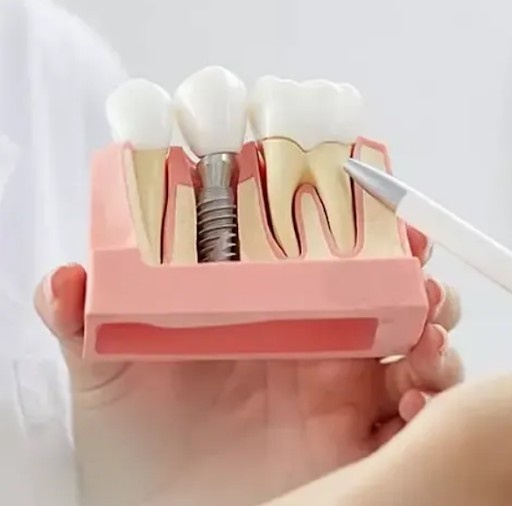
Choosing among modern teeth-straightening methods can feel overwhelming, especially with so many options available today. Many patients want effective results while also considering comfort, appearance, and how treatment fits into everyday life. Two commonly discussed approaches are traditional braces and clear aligners like Invisalign. Understanding how these options compare can help you make an informed decision based on your lifestyle and dental goals. At Lawen Dentistry in Halifax, Dr. Danny Lawen, D.D.S., is a Diamond Invisalign Provider (Diamond status is based on the number of Invisalign services provided every 6 months). He is committed to providing personalized dental care that helps patients achieve beautiful, healthy smiles.
At Lawen Dentistry, patients frequently ask questions about braces vs Invisalign, including how each option works, what daily life looks like during treatment, and which approach may align with their needs. While both methods aim to improve alignment and overall dental health, they differ in design, experience, and flexibility.
In this blog, we will explore braces vs clear aligners, explain how each method works, and share professional insights to help clarify your options. This article also includes perspectives and comparisons guided by Dr. Danny Lawen, D.D.S., with a focus on education rather than preference.
Understanding Today’s Teeth Straightening Methods
Modern dentistry offers more choices than ever before in alignment care. Traditional braces use brackets and wires to apply continuous pressure, gradually shifting teeth into position. Clear aligners, on the other hand, use a sequence of custom trays designed to guide movement over time.
Both approaches are structured, planned, and monitored by a dental professional. The difference lies in how treatment is delivered and how it fits into daily routines. Comparing Invisalign treatment choices with braces involves more than appearance alone. It includes comfort, maintenance, flexibility, and long-term expectations.
For patients exploring alignment care in Halifax, understanding the details behind each option provides clarity before committing to treatment.
What Are Braces?
Braces have been used for decades and remain a familiar option for alignment correction. They consist of brackets bonded to teeth and connected by wires that apply consistent pressure. Adjustments are made periodically to continue guiding movement.
This method is often associated with predictable mechanics and continuous force. Because braces are fixed in place, treatment progresses without relying on patient-managed wear time.
Braces may be considered for a wide range of alignment needs. However, their visibility and structure can influence daily comfort, eating habits, and oral hygiene routines.
What Is Invisalign?
Invisalign is a clear aligner system that uses a series of transparent trays to gradually move teeth. Each aligner is custom-made using digital scans, creating a personalized treatment plan from start to finish.
Patients wear aligners for 23 to 24 hours per day, allowing steady movement while maintaining flexibility. Unlike fixed appliances, aligners are smooth and designed to blend naturally with teeth, making them a popular option for individuals seeking discreet care.
You can learn more about this approach by visiting the dedicated Invisalign page.
For additional educational resources, Invisalign’s official website offers detailed information on how aligners work.
Braces vs Invisalign: Key Differences Explained
When comparing braces vs Invisalign, several factors come into play. Each option offers distinct experiences that may appeal to different preferences and lifestyles.
Appearance
Braces are visible because of the brackets and wires. Invisalign aligners are transparent and discreet during daily interactions.
Comfort
Clear aligners are smooth and custom-fitted, which many patients find easier to adapt to. Braces involve fixed components that may require adjustment over time.
Daily Routine
Aligners are worn throughout the day and night, including during meals and drinks, to support consistent wear time. Braces remain in place at all times.
Maintenance
Oral hygiene routines differ between the two options. Aligners make brushing and flossing easier, while braces may require additional tools and techniques.
These factors often shape a patient’s decision when weighing braces vs clear aligners.
Invisalign Pros and Cons
Understanding the advantages and considerations of aligners helps set realistic expectations. Below is a balanced look at Invisalign pros and cons.
Pros
- Transparent appearance that blends naturally with teeth
- Digital planning allows patients to preview expected progress
- Smooth trays designed for comfort
- Structured wear schedule of 23 to 24 hours per day
- Ability to eat and drink while wearing aligners
Considerations
- Consistency is essential for steady progress
- Treatment timelines vary depending on alignment complexity
Educational insight into aligner treatment is also available through the American Association of Orthodontists’ patient resource on aligners.
Invisalign Comparison Halifax: What Patients Often Ask
Patients exploring an Invisalign comparison in Halifax frequently want to know how aligners compare with braces in real-world scenarios. Common questions focus on treatment length, lifestyle compatibility, and predictability.
Clear aligners rely on a planned sequence of trays, each playing a role in gradual movement. Braces apply continuous force without removable components. The choice often depends on how structured or flexible a patient wants their experience to be.
At Lawen Dentistry, consultations focus on evaluating alignment needs, oral health, and personal preferences rather than promoting one method over another.
Invisalign vs Braces Insights by Dr. Danny Lawen
Invisalign vs braces insights by Dr. Danny Lawen emphasize education and clarity. Rather than pitting one option against another, discussions focus on how each method aligns with a patient’s goals and daily habits.
Clear aligners require commitment to wear time, while braces provide constant pressure without daily management. Understanding these differences helps patients feel confident in their decision.
Discover How Dr. Danny Lawen Compares Invisalign and Braces
When patients discover how Dr. Danny Lawen compares Invisalign and braces, they often appreciate the emphasis on individualized planning. Digital scans, alignment assessments, and lifestyle considerations guide recommendations.
The comparison process includes reviewing bite patterns, spacing, crowding, and long-term maintenance needs. This approach supports informed choices grounded in professional evaluation.
Braces vs Invisalign Explained by Dr. Danny Lawen
Braces vs. Invisalign, explained by Dr. Danny Lawen, centers on transparency. Patients are encouraged to ask questions and understand what daily life will look like during treatment.
This explanation includes discussing wear schedules, appointment frequency, and how progress is monitored. The goal is clarity, not persuasion.
Learn What Dr. Danny Lawen Says About Choosing Between Braces and Invisalign
For those looking to learn what Dr. Danny Lawen says about choosing between braces and Invisalign, the message is consistent: the right option depends on individual needs. There is no universal solution that fits every smile.
Treatment planning considers alignment goals, comfort preferences, and consistency expectations. This balanced approach supports long-term satisfaction.
Invisalign or Braces Guide From Dr. Danny Lawen
An Invisalign or braces guide from Dr. Danny Lawen helps patients navigate available options with confidence. By understanding how each method works, patients can participate actively in their care decisions.
Guidance includes discussing timelines, maintenance, and how each option integrates into daily routines.
Find Out Which Option Dr. Danny Lawen Recommends for Straighter Teeth
Patients often want to find out which option Dr. Danny Lawen recommends for straighter teeth, but recommendations are always personalized. Evaluations are based on clinical findings and patient priorities rather than generalized preferences.
Choosing Between Braces and Invisalign With Dr. Danny Lawen
Choosing between braces and Invisalign with Dr. Danny Lawen involves collaboration. Consultations are designed to provide information, answer questions, and outline realistic expectations for both paths.
You can learn more about the clinic’s approach by visiting the About Us page or reviewing available care options on the Services page.
Visiting Lawen Dentistry
Convenience and accessibility play a role in the overall care experience. Patients can find the clinic location on Google Maps or plan their visit with Google Maps Directions.
To schedule an appointment or ask questions, visit the Contact Us page.
Conclusion
Deciding between braces and clear aligners is a personal choice shaped by individual needs, routines, and goals. Both approaches are designed to guide teeth into healthier positions through structured planning and professional oversight. By understanding how each method works and what daily life looks like during treatment, patients can move forward with confidence.
At Lawen Dentistry, education and transparency remain central to every consultation. Through thoughtful evaluation and open discussion, patients receive guidance that supports informed decisions rather than one-size-fits-all recommendations. Whether exploring traditional braces or Invisalign, the focus stays on clarity, comfort, and long-term oral health.
Key Takeaways
- Braces vs Invisalign comparisons focus on lifestyle, comfort, and structure
- Teeth straightening methods vary in design and daily experience
- Invisalign requires wear for 23 to 24 hours per day
- Patients can eat and drink while wearing aligners
- Personalized evaluation supports informed treatment choices
FAQs
1. What is the main difference between braces and Invisalign?
Braces use fixed brackets and wires, while Invisalign uses clear aligners worn for 23 to 24 hours per day to guide tooth movement.
2. Can I eat and drink while wearing Invisalign aligners?
Yes, you can eat and drink while wearing aligners, which helps maintain consistent daily wear.
3. How long does Invisalign treatment usually take?
Treatment length varies depending on alignment needs and individual consistency, but many plans last several months to over a year.
4. Are clear aligners noticeable when worn?
Clear aligners are designed to blend naturally with teeth, making them a discreet option for everyday use.
5. How do I choose between braces and Invisalign?
Choosing between braces and Invisalign depends on your dental needs, lifestyle preferences, and a professional evaluation.
Remember: Every Invisalign journey is unique. Treatment duration and results depend on the complexity of the alignment, oral health, and commitment to wearing aligners as directed.
Disclaimer: This blog is for informational purposes only and should not be considered a substitute for professional dental advice. A consultation with Lawen Dentistry is recommended for personalized evaluation and treatment planning.
At Lawen Dentistry in Halifax, Dr. Danny Lawen, D.D.S., is a Diamond Invisalign Provider (Diamond status is based on the number of Invisalign services provided every 6 months). He is committed to providing personalized dental care that helps patients achieve beautiful, healthy smiles.