









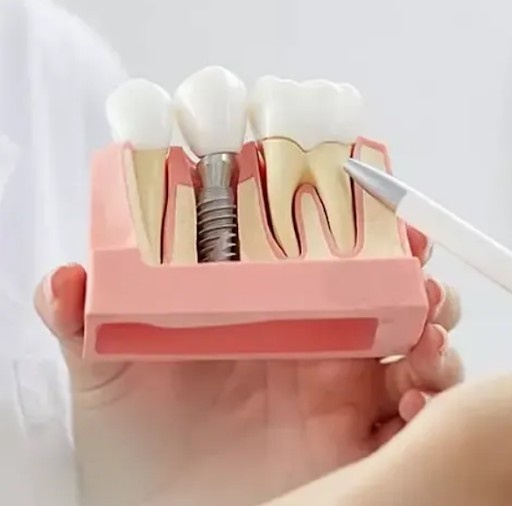
Gum wellness plays an essential role in long-term oral health, and many people wonder whether traditional flossing or using a Waterpik is more helpful for maintaining clean, comfortable gums. At Lawen Dentistry, patients often ask how these two methods compare, especially when seeking practical, everyday strategies that support healthier gum tissue. Insights from the clinic offer clarity on how both tools function, how they impact oral cleanliness, and how to combine them for stronger gum stability.
This blog explores flossing vs. Waterpik from an evidence-based perspective, including the Gum health benefits of flossing and Waterpik, by Dr. Danny Lawen.
At Lawen Dentistry in Halifax, Dr. Danny Lawen, D.D.S., is a Diamond Invisalign Provider (Diamond status is based on the number of Invisalign services provided every 6 months). He is committed to providing personalized dental care that helps patients achieve beautiful, healthy smiles.
Before exploring the tools themselves, you can learn more about the practice philosophy by visiting the About Us page. You may also view their Services, Contact Us, use Google Maps, or Get Directions.
Understanding the Role of Flossing in Gum Health
Flossing has long been considered a core part of daily dental care. Its purpose goes beyond removing food particles. When used properly, floss can gently glide between the teeth to remove plaque that accumulates at tight contact points. This plaque removal is essential because the bacteria in these biofilms can irritate gum tissue and contribute to inflammation.
How Floss Protects Gum Tissue
Floss has a mechanical scraping action that directly removes plaque from tooth surfaces where a toothbrush cannot reach. This includes:
- The narrow spaces between teeth
- The areas just below the gumline
- Contact points where sticky deposits accumulate
Consistent flossing reduces gum irritation and supports stronger tissue attachment. These benefits form a major component of the Gum health benefits of flossing and Waterpik by Dr. Danny Lawen, found through the periodontal services link provided.
A steady routine can also make everyday habits more comfortable. Many individuals notice less bleeding and tenderness when flossing becomes consistent. This happens because healthy gums respond much better to daily cleaning efforts.
When Flossing Is Especially Useful
Traditional flossing may be particularly helpful for people who:
- Prefer a handheld, tactile cleaning method
- Have tight tooth contacts that need precise attention.
- Want a cost-effective, convenient tool that travels easily.
- Are committed to a daily routine that supports long-term gum stability
Flossing is a direct, hands-on method for addressing biofilm. With regular use, it becomes easier to keep debris from settling along the gumline.
Understanding Waterpik Cleaning for Gums
A Waterpik is a type of oral irrigator designed to flush water into the spaces between teeth and around the gumline. The pressurized water stream helps wash away loose plaque, food debris, and bacteria that collect in the mouth.
The Effectiveness of Waterpik vs. flossing, according to Dr. Danny Lawen, can be explored through the linked periodontal resource. Many individuals find irrigators comfortable and easy to use, especially if they have difficulty maneuvering floss.
How Waterpik Devices Support Gum Wellness
Waterpik irrigation helps by:
- Rinsing bacteria along the gumline
- Reaching deeper gum pockets where manual floss may not easily access
- Reducing inflammation through gentle water pressure
- Supporting overall cleanliness when used consistently
Some patients feel an immediate sense of freshness after irrigating because the water flushes away hidden debris that would otherwise become lodged between the teeth.
Waterpik Use Cases
A Waterpik may be especially helpful if someone:
- Has difficulty gripping or maneuvering floss
- Wants a method that reduces plaque in a quick, comfortable way
- Prefers water-based cleaning for daily maintenance
- Wants to reduce bleeding and sensitivity caused by plaque buildup
Although Waterpik devices do not replace floss entirely, they significantly enhance gum care when used consistently, as described in Maintaining healthy gums with flossing and Waterpik from Dr. Danny Lawen.
Dr. Danny Lawen on Flossing Compared to Waterpik for Gums
You can discover how Dr. Danny Lawen compares flossing and Waterpik. The clinic provides guidance that emphasizes practical daily habits rather than focusing solely on tool preference. The most effective method often depends on how consistently the tool is used and how well it aligns with an individual’s routine.
While flossing removes plaque precisely, Waterpik irrigation provides a thorough rinse that reaches areas floss might miss. Many patients benefit from combining the two because they support each other. For example:
- Floss removes sticky plaque in contact areas.
- A Waterpik flushes loose debris and bacteria afterward.
Both approaches contribute meaningfully to gum stability.
Detailed Comparison: Flossing vs Waterpik
1. Cleaning precision
Flossing excels at removing plaque from tight spaces. Rubbing the floss along the tooth surface provides targeted cleaning.
A Waterpik, on the other hand, flushes rather than scrapes. It may not remove plaque that is tightly adhered, but it cleans broader areas around the gums.
2. Gum comfort
For some patients, flossing can initially cause mild sensitivity, especially if gums are inflamed. Over time, consistent flossing usually reduces this response.
Waterpik irrigation often feels gentle and can soothe irritated tissue through its cleaning action.
3. Daily usability
Floss requires manual dexterity. Some people struggle with the technique, making it less effective if not used carefully.
A Waterpik is easy to use and can help people maintain a consistent routine even when flossing feels difficult.
4. Complementary effects
Both tools target different aspects of gum care:
- Floss tackles plaque
- Irrigation manages debris and bacteria around the gums.
Combining them provides broader coverage.
The Gum Health Benefits of Flossing and Waterpik by Dr. Danny Lawen
Through clinical experience, Dr. Danny Lawen emphasizes that gum health depends on habits, consistency, and technique. Both floss and Waterpik devices serve valuable roles in daily cleaning. Many individuals experience healthier tissue, less inflammation, and improved comfort when using both tools thoughtfully.
You can learn gum care tips from Dr. Danny Lawen by visiting the periodontal services page and reviewing the clinic’s guidance on long-term gum wellness.
Maintaining Healthy Gums with Flossing and Waterpik from Dr. Danny Lawen
Gum health responds strongly to routine care. Small habits performed consistently have long-lasting benefits. Below are strategies that support effective gum wellness.
1. Clean the gumline daily
Plaque matures quickly. Whether using floss, a Waterpik, or both, daily cleaning keeps bacteria from irritating gum tissue.
2. Brush gently
Overbrushing can contribute to gum recession. A soft-bristle brush, used with small circular motions, is helpful for daily gum stability.
3. Rinse after meals
A simple water rinse can help dislodge food and reduce acid exposure.
4. Use both tools when possible
Floss for precision cleaning.
Use a Waterpik for comprehensive rinsing.
This combination supports smooth gum surfaces and prevents long-term buildup.
5. Regular dental checkups
Visits to Lawen Dentistry help monitor gum changes and identify concerns early. You can view their Services or Contact Us to schedule a visit. For easy navigation, you can use Google Maps or Get Directions.
Additional Considerations for Daily Gum Care
Hydration and diet
Staying hydrated supports saliva flow, which naturally helps wash away bacteria. Eating crunchy vegetables can also aid in mechanical cleaning.
Avoiding tobacco
Tobacco use can irritate gum tissue and slow healing.
Stress management
Stress can contribute to grinding or clenching, which affects both teeth and gum health.
Special consideration for aligner wearers
If you use clear aligners, general dental guidance recommends maintaining consistent gum hygiene. In some systems, people who choose aligner therapy can eat and drink while wearing their aligners. Additionally, many aligner manufacturers recommend wearing aligners for 23 to 24 hours daily to maintain progress. Good gum care remains important during aligner wear because clean gums and teeth support comfort throughout treatment.
Effectiveness of Waterpik vs Flossing According to Dr. Danny Lawen
Both tools are effective in their own ways. You can find out what Dr. Danny Lawen says about flossing vs Waterpik by visiting the periodontal care link. While floss is ideal for scraping plaque off the tooth surface, Waterpik irrigation is valuable for washing away debris and reducing inflammation. The effectiveness of each method improves significantly when used consistently.
Visiting Lawen Dentistry for Gum Care
Gum wellness is a lifelong investment. Understanding which cleaning tools support your comfort and habits is the first step toward protecting your periodontal health. The team at Lawen Dentistry guides individuals in maintaining stable gums through simple, reliable routines. You can learn more about the practice environment by visiting the About Us page or scheduling through the Contact Us page.
Conclusion
The question of flossing vs. Waterpik does not have a single answer, as both tools offer meaningful benefits for gum care. Floss removes plaque precisely, while a Waterpik delivers a comprehensive rinse that supports deeper gum cleaning. When used together, they create a balanced routine that protects gum health every day.
You can discover how Dr. Danny Lawen recommends caring for gums by visiting the periodontal services link. Maintaining consistent daily habits, understanding the strengths of each tool, and attending regular appointments at Lawen Dentistry can help you support strong, comfortable gums throughout your life.
For appointments, contact the clinic or use the Google Maps and Get Directions links for an easy visit.
Key Takeaways
- Flossing offers targeted cleaning between teeth and along the gumline.
- Waterpik irrigation provides a thorough rinse, reducing debris and bacteria.
- Both tools support gum health when used consistently.
- Combining floss and a Waterpik offers comprehensive coverage.
- Regular dental visits at Lawen Dentistry help maintain gum stability.
FAQ
1. Is flossing still necessary if I use a Waterpik?
Yes. A Waterpik rinses debris and bacteria, while floss physically removes plaque from tight spaces.
2. Can a Waterpik reach areas that flossing cannot?
A Waterpik can reach deeper gum pockets and flush broader areas that floss may not fully clean.
3. How often should I use a Waterpik?
Daily use supports consistent gum health, especially when paired with brushing and flossing.
4. Does flossing hurt gums?
Flossing may cause mild sensitivity at first, especially if gums are inflamed. With routine use, sensitivity typically decreases.
5. Should I use both floss and a Waterpik?
Using both creates a balanced gum care strategy that supports cleanliness and long-term gum stability.
Remember: Every smile is unique, and gum care routines can vary depending on personal habits, comfort, and oral health needs. Consistency matters more than the specific tool you choose, and combining multiple cleaning methods can support long-term gum wellness. For personalized guidance, schedule a visit with the team at Lawen Dentistry.
Disclaimer: This blog is for informational purposes only and does not replace professional dental advice, diagnosis, or treatment. Please consult a qualified dental professional for recommendations tailored to your specific oral health needs.
At Lawen Dentistry in Halifax, Dr. Danny Lawen, D.D.S., is a Diamond Invisalign Provider (Diamond status is based on the number of Invisalign services provided every 6 months). He is committed to providing personalized dental care that helps patients achieve beautiful, healthy smiles.