









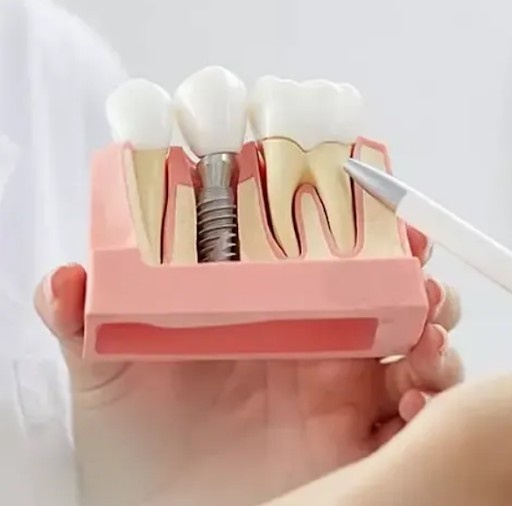
Cavity prevention remains one of the most important aspects of daily dental care, and understanding the most effective ways to protect your teeth can significantly improve long-term oral health. Many patients at Lawen Dentistry ask how they can strengthen their routines and reduce their risk of decay. The truth is, small daily habits have a major impact on your mouth’s health. With a clear plan, consistent effort, and reliable information, preventing cavities becomes much easier.
Suppose you are searching for practical strategies to prevent cavities. In that case, this blog offers a well-rounded approach grounded in science and real patient experience.
You can also explore cavity prevention advice from Dr. Danny Lawen through the clinic’s educational resources and patient care model.
At Lawen Dentistry in Halifax, Dr. Danny Lawen, D.D.S., is a Diamond Invisalign Provider (Diamond status is based on the number of Invisalign services provided every 6 months). He is committed to providing personalized dental care that helps patients achieve beautiful, healthy smiles.
Additionally, this blog will reference Tips to avoid cavities by Dr. Danny Lawen when discussing daily habits that support strong enamel. For individuals looking for a broader care plan, you can also learn how to protect teeth from cavities with Dr. Danny Lawen through the clinic’s prevention-centered guidance. To support your understanding of long-term oral wellness, you may explore Dr. Danny Lawen’s guide to cavity prevention, which emphasizes strong daily routines at home.
Why Cavity Prevention Matters
Cavities occur when bacteria in the mouth break down food particles and produce acids that weaken the enamel. Over time, these acids can create holes in the teeth that deepen if left untreated. Healthy habits are powerful tools for preventing this process. When you establish strong hygiene routines and make intentional choices about your diet, you significantly reduce the likelihood of decay.
Because cavities can progress silently, proactive habits matter. This guide outlines effective ways to maintain healthier enamel and protect your oral wellness.
15 Essential Cavity Prevention Tips
1. Brush Twice Daily with Proper Technique
Brushing consistently is the foundation of healthy oral care. Use a soft-bristle toothbrush and fluoride toothpaste, and guide the brush in gentle circular motions. This method removes plaque without damaging enamel. Remember to brush for at least two minutes, covering every tooth surface. Consistency supports cleaner enamel and reduces bacteria buildup.
2. Strengthen Enamel with Fluoride Toothpaste
Fluoride helps remineralize weakened enamel and prevents early decay. Using fluoride toothpaste twice a day is an effective way to strengthen your teeth. Suppose you are unsure which type is best suited to your needs. In that case, the team at Lawen Dentistry can offer guidance during your routine visit.
3. Clean Between the Teeth Every Day
Flossing is essential because toothbrushes cannot reach the areas where teeth touch. Plaque and food particles can accumulate in these tight spaces, increasing the risk of cavities. Daily flossing helps remove these substances and supports healthier gums.
4. Choose Water as Your Primary Beverage
Water is one of the best choices for oral health. It helps wash away food particles, supports saliva production, and neutralizes acids. Sugary drinks, on the other hand, feed bacteria and increase acid production. Reducing soda, sweetened tea, specialty coffees, and juice helps protect enamel.
If you do enjoy these beverages occasionally, try rinsing with water afterward to help restore a healthier balance.
5. Eat and Drink While Wearing Aligners When Applicable
Some patients undergoing aligner treatment wonder whether eating and drinking affect cavity risk. Following the instructions provided by Lawen Dentistry ensures that aligner wear remains effective. With proper guidance, patients learn that they can eat and drink while wearing aligners when the treatment plan allows. Maintaining a full wear schedule of 23 to 24 hours each day helps keep the treatment predictable while continuing to protect oral health.
6. Be Mindful of Sticky and Starchy Foods
Foods that stick to the teeth can increase the risk of cavities. Items such as dried fruit, crackers, candies, and chips cling to enamel, providing a slow supply of sugars for bacteria. If you choose these foods, rinse with water afterward and maintain a thorough cleaning routine.
7. Avoid Snacking Throughout the Day
Frequent snacking affects the pH levels in your mouth. Each time you eat, acid levels rise, and constant grazing does not give your enamel time to recover. Structured meal times help reduce prolonged acid exposure.
8. Chew Sugar-Free Gum After Eating
Chewing sugar-free gum increases saliva production, which helps neutralize acids and rinse away bacteria. Gum sweetened with xylitol provides an additional cavity-reducing benefit, as xylitol may help limit harmful bacteria.
9. Focus on Nutrient-Rich Foods
A diet that includes vegetables, dairy, nuts, and leafy greens naturally supports oral health. These foods stimulate saliva flow and supply essential nutrients that strengthen enamel. Choosing whole foods over processed snacks benefits both your oral and overall wellness.
10. Schedule Regular Dental Exams and Cleanings
Professional cleanings remove plaque and tartar that at-home care cannot reach. Routine exams also help identify early signs of decay before they progress.
You can learn more about available treatments through the Services page.
To contact the office or schedule a visit, use the Contact Us link.
11. Consider Preventive Fluoride Treatments
Some individuals need extra support to strengthen enamel. Fluoride treatments can be especially helpful for children, adults prone to decay, or anyone with deep grooves in their teeth. These treatments protect vulnerable areas and reinforce daily hygiene efforts.
12. Address Dry Mouth Promptly
Saliva is one of the mouth’s natural defenses. It helps neutralize acids, rinse away food particles, and protect enamel. If you experience dry mouth due to medication or lifestyle factors, you may need additional support. Drinking water frequently and using saliva-enhancing products may help reduce the risk of cavities.
13. Use a Cavity-Preventing Mouth Rinse
Mouth rinses designed for cavity prevention often contain fluoride or ingredients that support a healthy oral environment. Alcohol free formulas are usually recommended unless otherwise advised.
14. Keep Aligners Clean and Maintain Hygiene During Treatment
Straighter teeth can be easier to clean, reducing the risk of long-term cavities. If you are interested in understanding how teeth straightening treatment supports oral health, explore the Invisalign page here.
During treatment, maintaining consistent brushing and flossing routines helps reduce plaque buildup.
15. Seek Personalized Cavity Prevention Advice
Every smile is unique. Personalized recommendations based on your needs can help refine your hygiene routine. If you want to learn more about the clinic’s philosophy, visit the About Us page.
To plan your visit easily, you can use the office’s Google Map or check directions through the Get Directions link.
Conclusion
Cavity prevention is an ongoing process supported by simple daily practices. With consistent habits and guidance from your dental team, you can protect your enamel and support a healthier smile. The fifteen strategies in this guide reflect the practical approach used at Lawen Dentistry to help patients strengthen their oral health routines.
If you want to schedule an appointment, explore the Contact Us page. To review available services, visit:
Your long-term oral health begins with informed choices, and this guide provides the foundation you need to protect your teeth from cavities with confidence.
Key Takeaways
- Consistent brushing, flossing, and fluoride use remain the strongest defenses against cavities.
- Water supports a healthier oral environment by reducing acid levels and rinsing away food particles.
- Limiting sugary drinks and sticky snacks helps prevent plaque buildup and enamel erosion.
- Regular dental checkups and cleanings provide early detection and essential preventive care.
- Personalized dental guidance strengthens daily habits and supports long-term cavity prevention.
Frequently Asked Questions
1. How can I prevent cavities effectively?
Brushing twice daily, flossing daily, reducing sugar intake, and scheduling professional cleanings all play important roles in preventing cavities.
2. Do children need different prevention methods than adults?
Children benefit from the same basic habits. Additional support may include fluoride treatments or sealants, depending on risk levels.
3. Do clear aligners increase cavity risk?
Maintaining a consistent cleaning routine during aligner treatment helps prevent cavities. Wearing aligners as instructed also helps maintain treatment progress.
4. Are sugary drinks more harmful than sugary foods?
Sugary beverages often expose teeth to sugar for longer periods. Choosing water more often helps reduce the risk of cavities.
5. How often should I visit my dental office?
Most patients benefit from visits every six months, though some may need them more frequently.
Remember: Strong daily habits form the foundation of cavity prevention. Small choices such as drinking more water, reducing sugary snacks, and staying consistent with brushing and flossing can make a meaningful difference in long-term oral health.
Disclaimer: This blog is intended for informational purposes only and should not replace a professional dental evaluation. For personalized recommendations or treatment planning, schedule an appointment with a licensed dental provider.
At Lawen Dentistry in Halifax, Dr. Danny Lawen, D.D.S., is a Diamond Invisalign Provider (Diamond status is based on the number of Invisalign services provided every 6 months). He is committed to providing personalized dental care that helps patients achieve beautiful, healthy smiles.